
Welcome to the

Ease The Journey is a patient education initiative by Universal NutriScience designed to empower individuals and couples with medically reliable, evidence-based information. We strive to demystify reproductive health, encourage timely expert consultations, and support you with clear educational resources every step of the way.
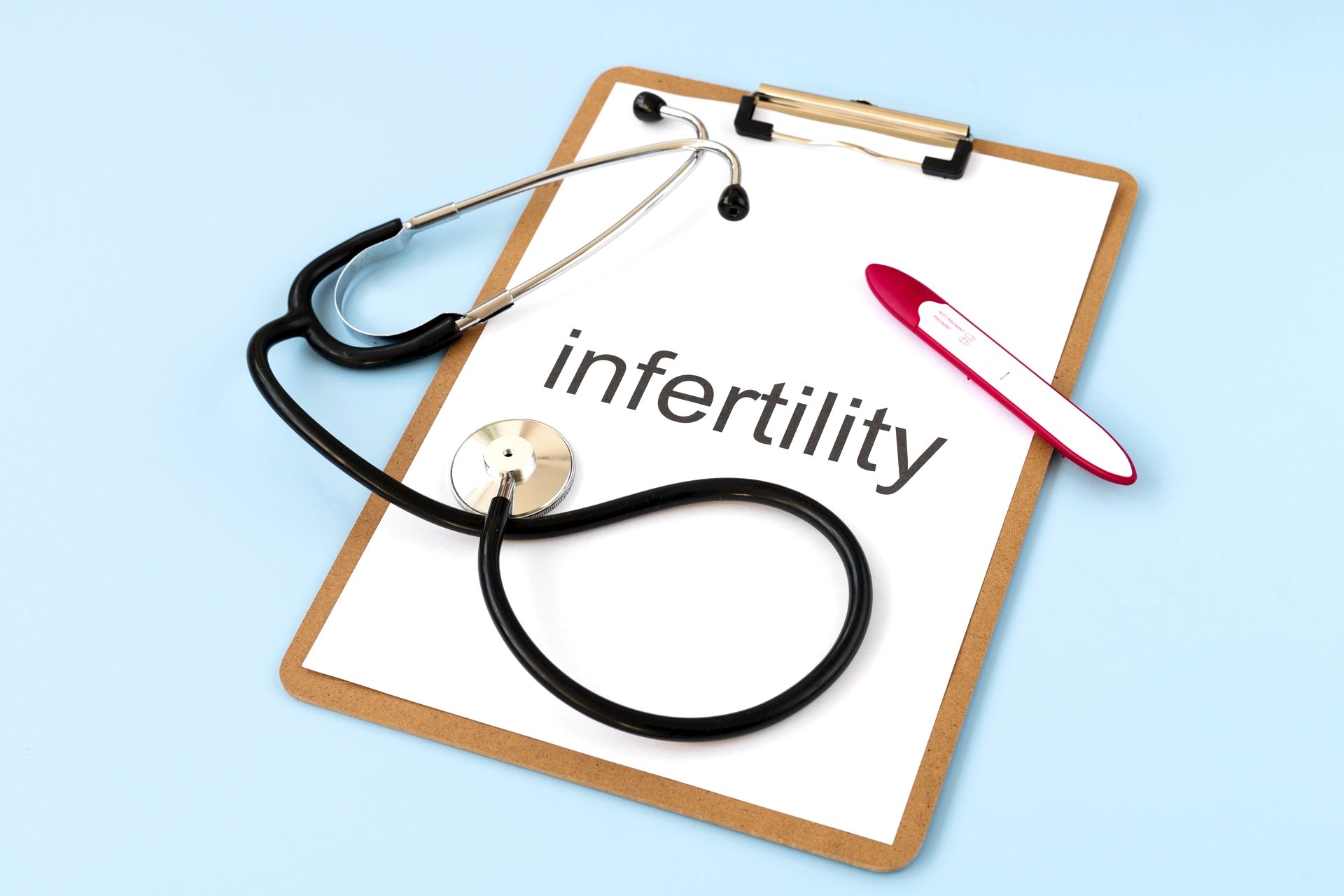
Infertility is defined as the inability to achieve a clinical pregnancy after 12 months or more of regular, unprotected sexual intercourse (or 6 months for women aged 35 and older). It is a complex medical condition that can stem from female factors, male factors, a combination of both, or remain unexplained. Many causes of infertility can be treated, while some individuals or couples may require fertility treatments, such as in vitro fertilization (IVF), to achieve pregnancy. Source: World Health Organization (WHO) https://www.who.int/news-room/fact-sheets/detail/infertility

Age is one of several important factors in reproductive health. Understanding how biological timelines affect fertility helps couples plan effectively and seek timely assistance.
IVF is unnatural
IVF supports the natural process of fertilization using medical assistance.
One failed IVF cycle means it will never work
Many couples conceive in subsequent IVF cycles with protocol adjustments.
IVF is only for infertility
IVF is also used for fertility preservation, donor programs, and surrogacy.