
Age & Infertility

  • Home
  • Age & Infertility
image
How age impacts fertility

why is it important?

Age is one of several important factors in reproductive health. Understanding how biological timelines affect fertility helps couples plan effectively and seek timely assistance.

  • Female -
    • Females are born with a fixed number of eggs (ovarian reserve), which naturally declines in quantity and quality over time.
    • While ovarian reserve gradually decreases throughout adulthood, the rate of decline generally accelerates after age 32 and becomes more pronounced after age 35.
    • Advanced maternal age is associated with lower spontaneous conception rates per cycle and a higher incidence of chromosomal variations and pregnancy complications.
  • Male -
    • Sperm production continues throughout adult life; however, male fertility parameters undergo a gradual decline with age.
    • Advanced paternal age (typically 40–45 years and older) may be associated with subtle changes in sperm DNA integrity, motility, and time-to-pregnancy.
    • Men over 40 are 30% less likely to contribute to a successful pregnancy within one year than men under 30.

How Age Impacts Fertility

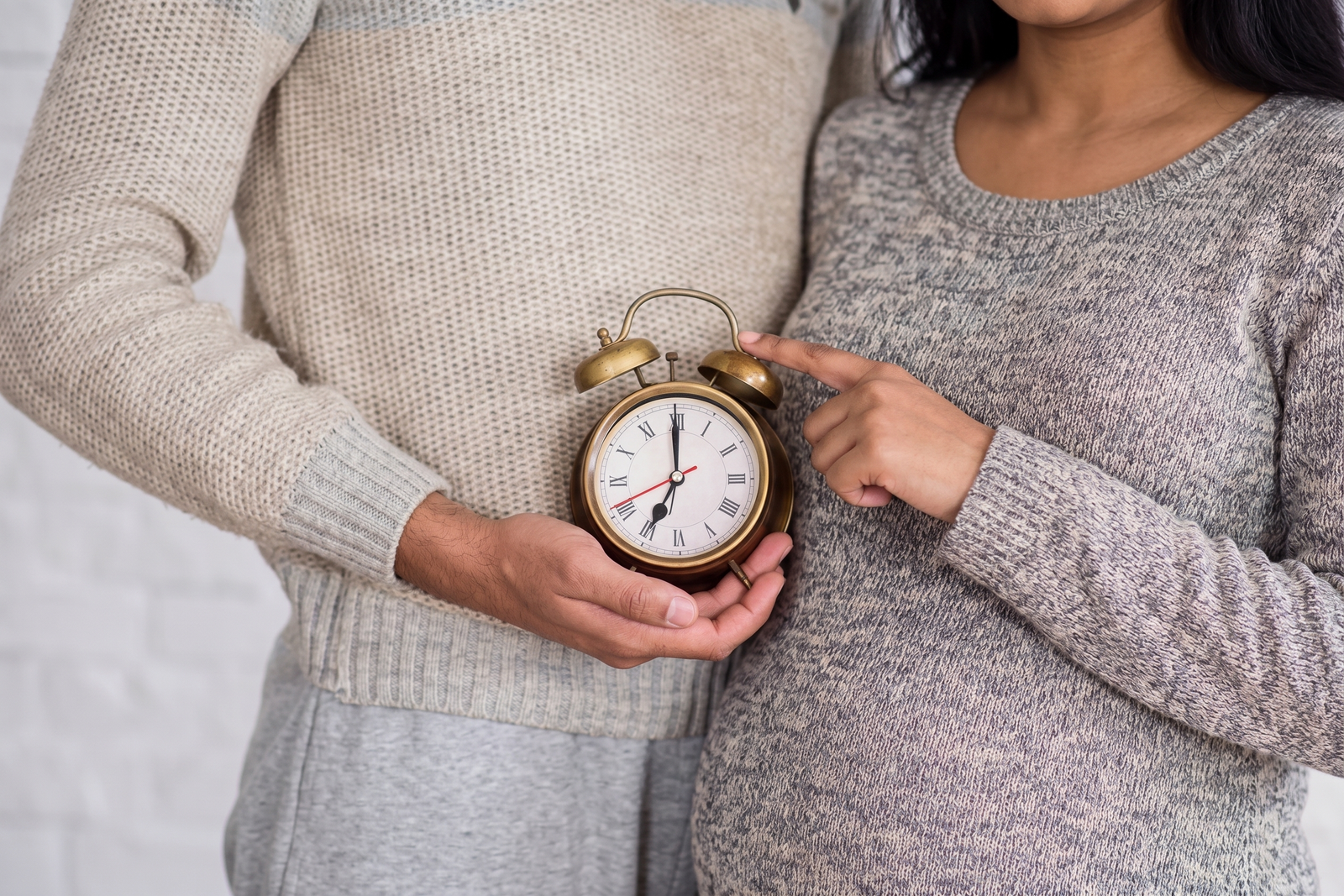
Age plays a significant role in a couple’s ability to conceive. While both men and women experience changes in fertility as they grow older, the impact is more pronounced in women.

Why Does Age Matter?

Fertility is not constant throughout life. As we age, natural biological changes reduce the chances of conception. This is primarily due to the decline in egg quality and quantity in women and gradual sperm quality changes in men.

Female Fertility and Age

Male Fertility and Age

The Bottom Line

While age is just one factor, it’s an important one. Planning a family earlier can reduce complications and improve success rates. For those who are older, consulting a fertility specialist and exploring options like egg or sperm freezing, IVF, or ICSI can make a big difference.